
Introduction
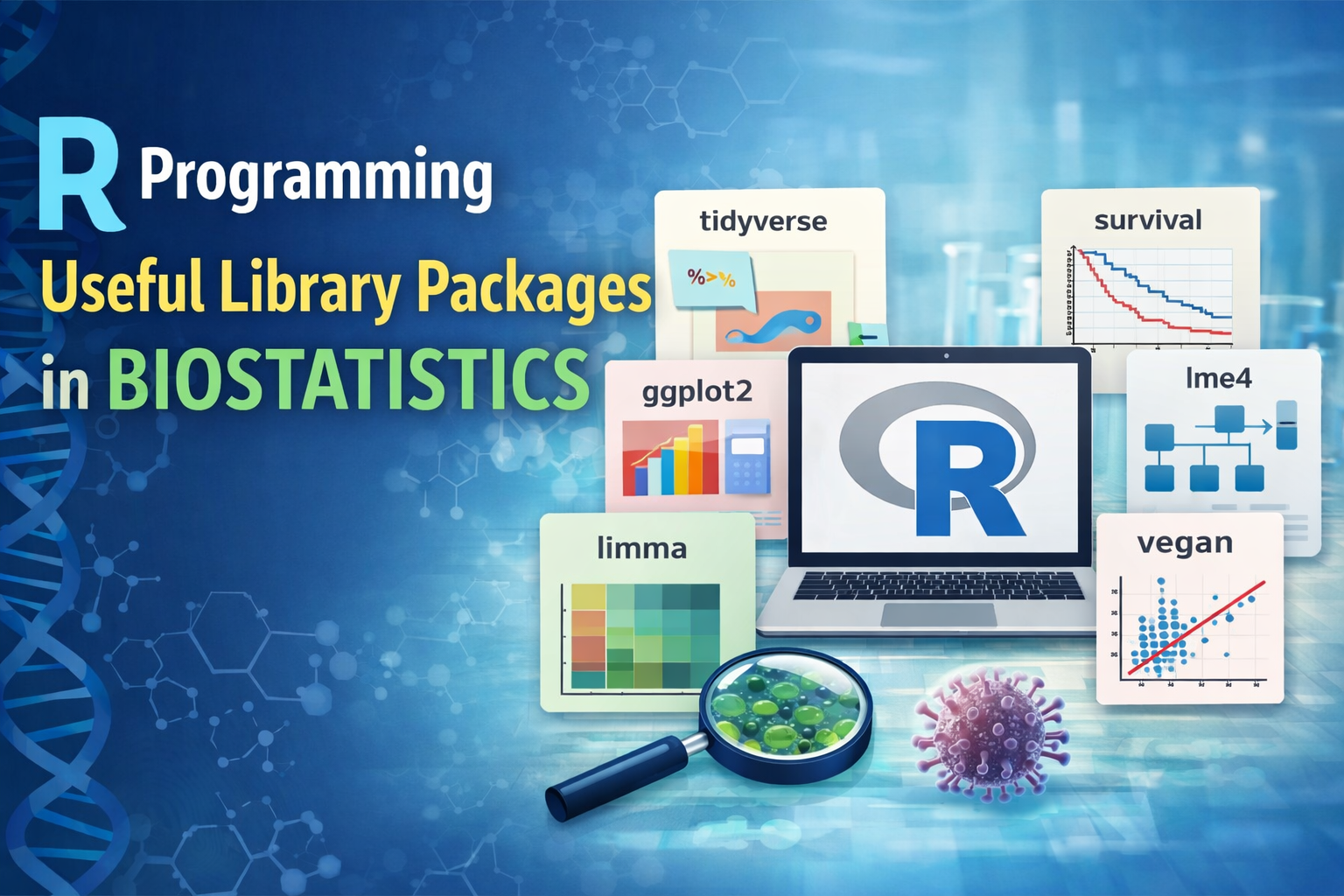
R programming has become an indispensable tool in modern biostatistics. While the base R language provides essential statistical functions, the real power of R lies in its library packages. These packages extend R’s capabilities, allowing researchers to perform advanced statistical analysis, biological data processing, visualization, and reproducible research with ease.
In biostatistics, researchers deal with complex datasets such as clinical trial data, gene expression matrices, epidemiological records, and ecological observations. R library packages are specifically designed to handle these challenges, making R one of the most widely used platforms in biological and medical research.
This article explains the most useful R programming library packages in biostatistics, their applications, and how they support real-world biological research.
What Are R Library Packages?
An R package is a collection of:
- Functions
- Datasets
- Documentation
- Example codes
Packages help users perform specific tasks efficiently without writing everything from scratch. Thousands of R packages are available through CRAN and Bioconductor, many of which are dedicated to biostatistics.
Why Library Packages Are Important in Biostatistics
R packages are essential because they:
- Save time and effort
- Provide validated statistical methods
- Ensure reproducible research
- Follow international research standards
- Support publication-quality outputs
Biostatistical journals often prefer or accept analyses done using well-established R packages.
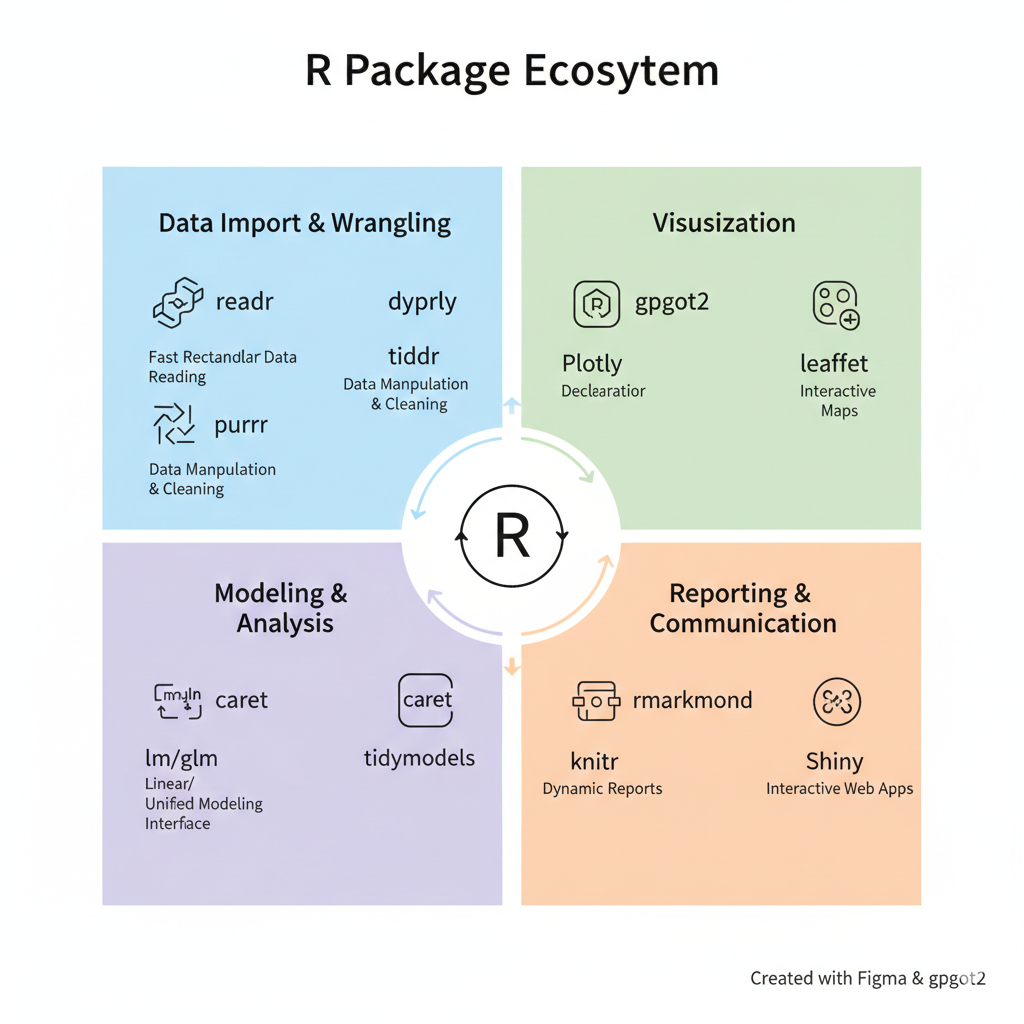
Categories of R Packages Used in Biostatistics
R packages used in biostatistics can be broadly classified into:
- Data manipulation packages
- Visualization packages
- Statistical analysis packages
- Clinical and survival analysis packages
- Multivariate and ecological analysis packages
- Bioinformatics and genomics packages
Essential R Library Packages for Biostatistics
1. tidyverse
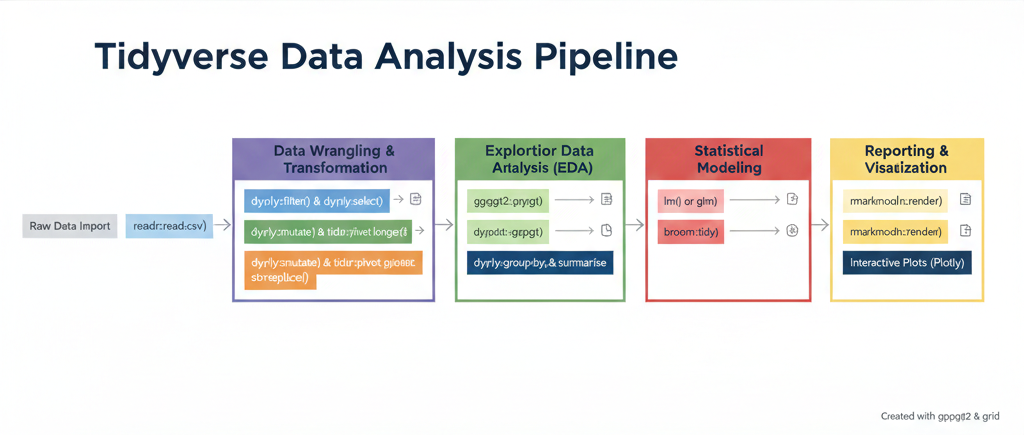
The tidyverse is a collection of packages designed for data science.
Key uses in biostatistics:
- Data cleaning
- Data transformation
- Data exploration
Common packages included:
- dplyr
- tidyr
- readr
- ggplot2
2. ggplot2
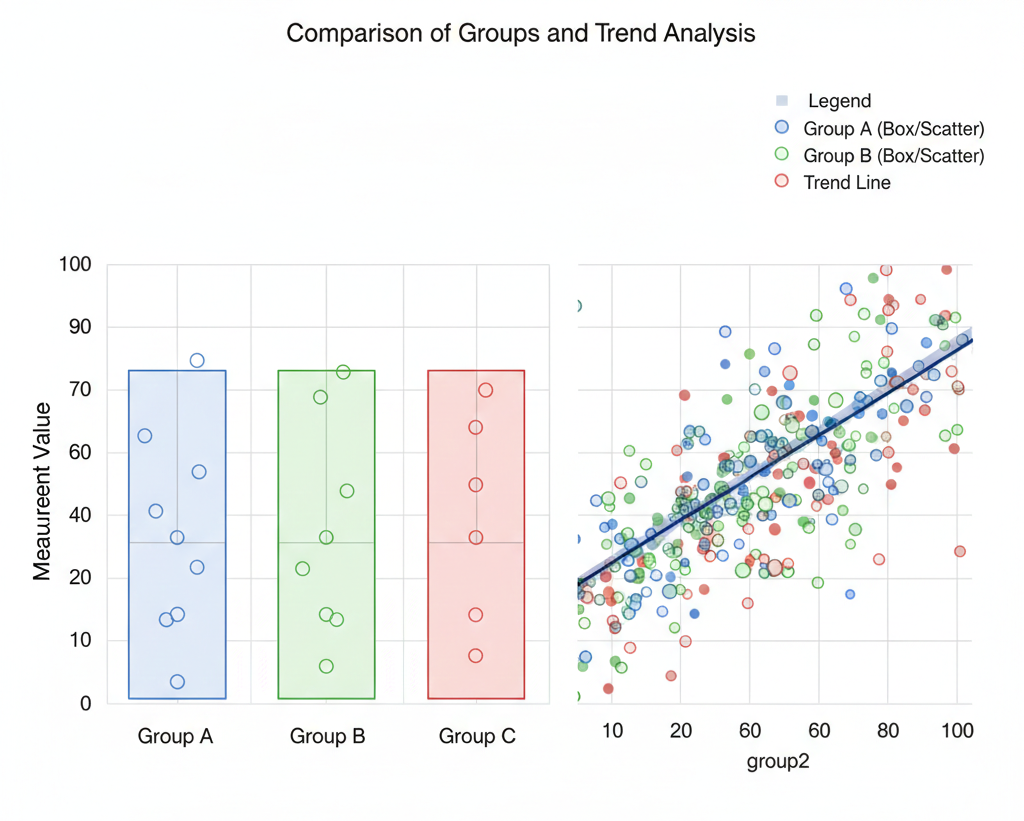
ggplot2 is the most popular R package for data visualization.
Applications in biostatistics:
- Boxplots for group comparison
- Survival curves
- Scatter plots for correlation
- Publication-quality graphs
It is widely accepted in scientific journals.
3. survival
The survival package is essential for time-to-event analysis.
Used for:
- Kaplan–Meier survival curves
- Cox proportional hazards models
- Clinical trial analysis
This package is a gold standard in medical and epidemiological research.
4. survminer
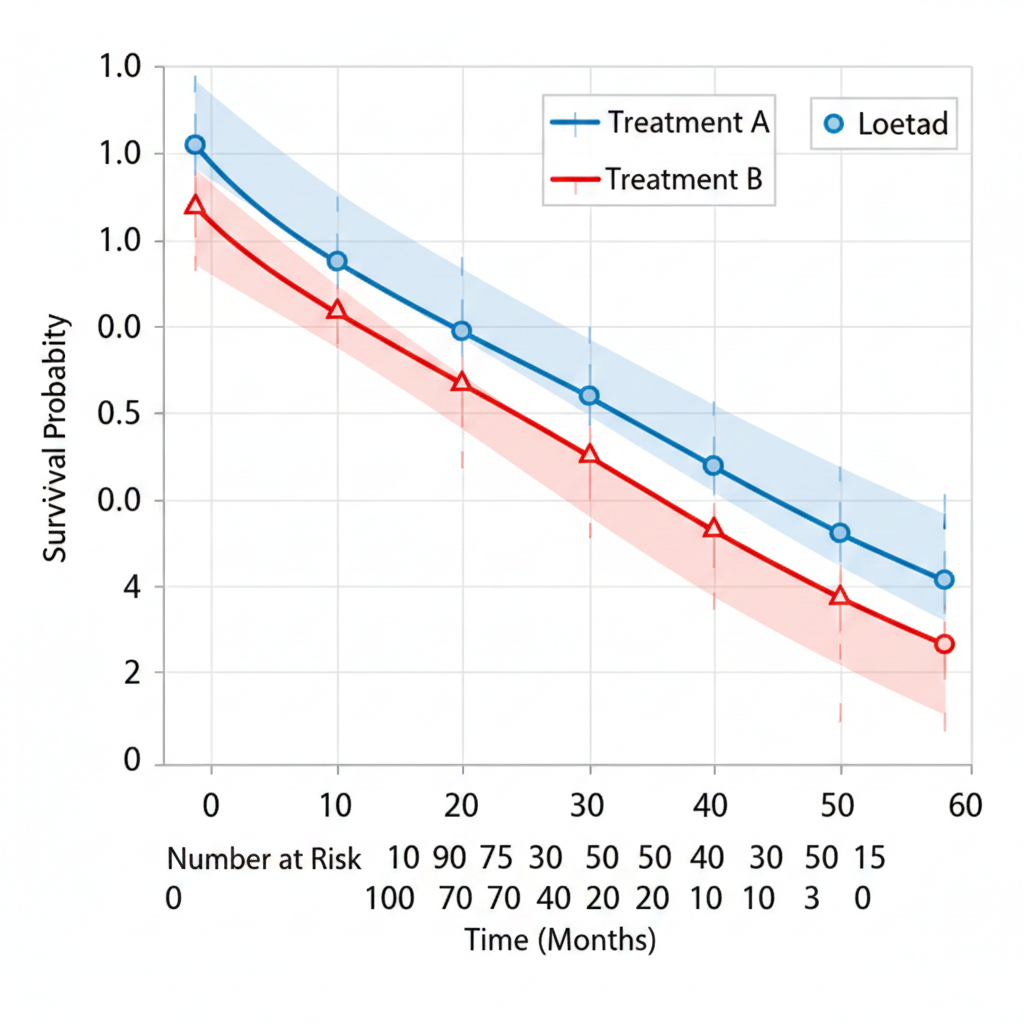
The survminer package enhances survival analysis visualization.
Benefits:
- Beautiful survival plots
- Risk tables
- Confidence intervals
It works seamlessly with the survival package.
5. lme4
The lme4 package is used for linear and generalized mixed-effects models.
Applications:
- Repeated measures data
- Hierarchical biological data
- Random effects modeling
This is especially useful in ecological and agricultural biostatistics.
6. car
The car package supports regression diagnostics.
Used for:
- ANOVA
- Type II and Type III sums of squares
- Checking model assumptions
7. MASS
The MASS package contains functions for:
- Linear discriminant analysis
- Logistic regression
- Multivariate statistics
It is widely used in medical research.
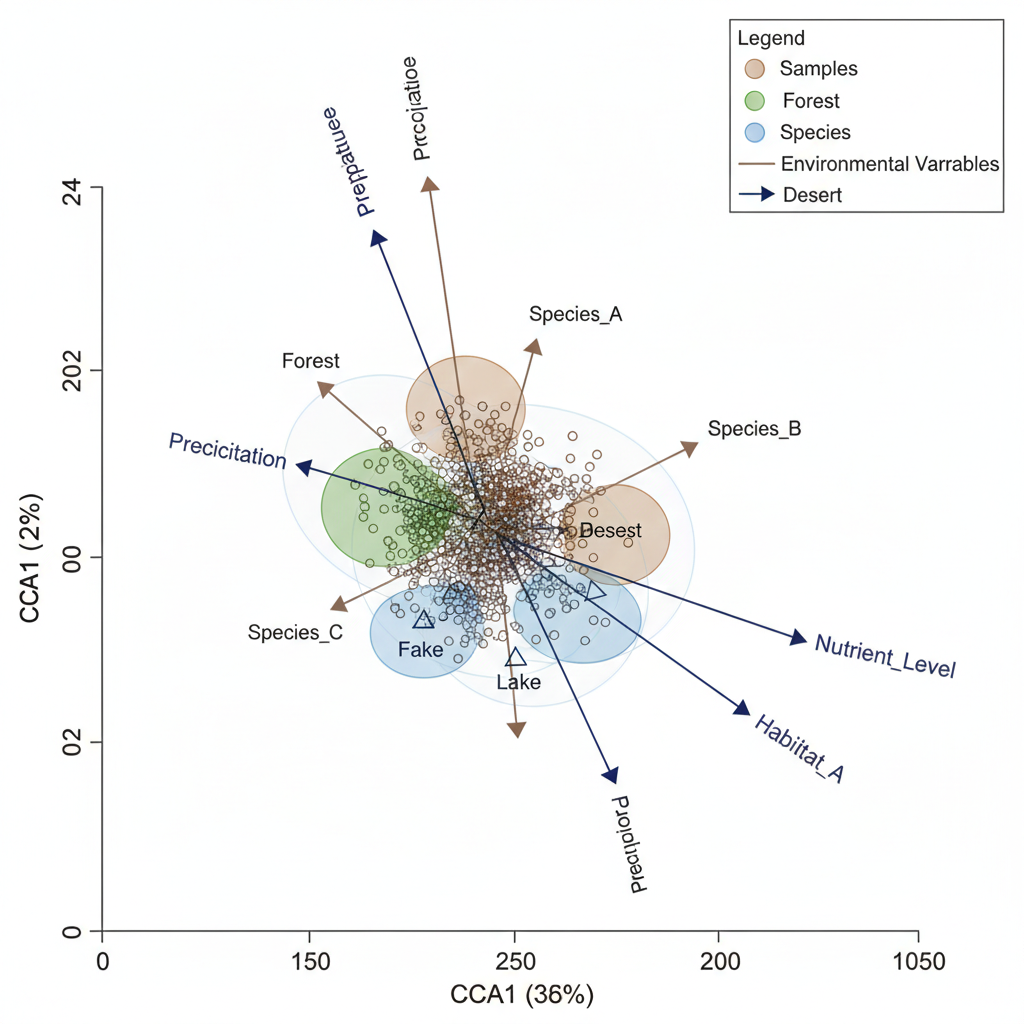
8. vegan
The vegan package is popular in ecological and environmental biostatistics.
Used for:
- Diversity indices
- Ordination methods (PCA, CCA, NMDS)
- Community ecology analysis
9. multcomp
The multcomp package is used for:
- Post-hoc tests
- Multiple comparisons
- Adjusted p-values
It ensures statistical validity in biological experiments.
10. nlme
The nlme package handles nonlinear mixed-effects models.
Used in:
- Pharmacokinetics
- Longitudinal clinical data
Bioconductor Packages for Biostatistics
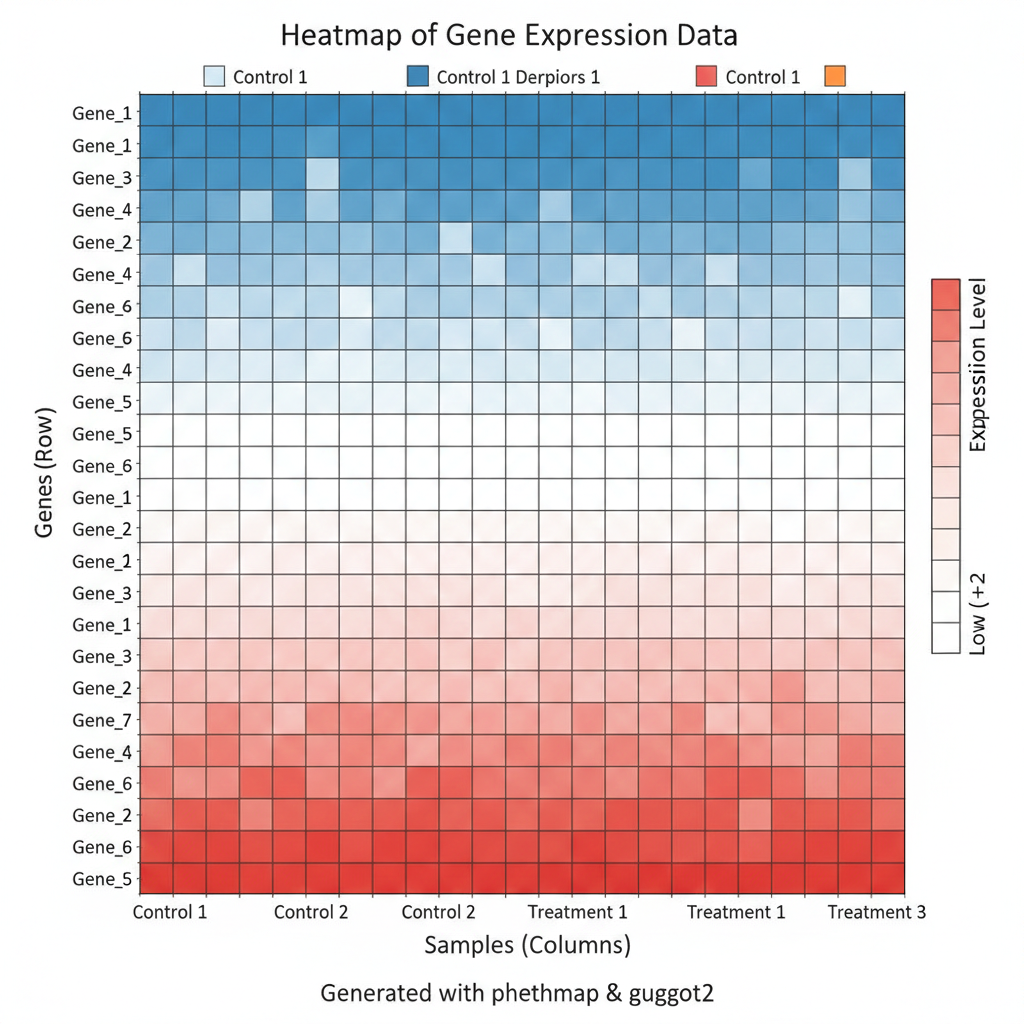
Bioconductor is a specialized repository for biological and genomic data analysis.
Popular Bioconductor packages include:
- limma – differential expression analysis
- edgeR – RNA-seq data analysis
- DESeq2 – gene expression modeling
- Biostrings – biological sequence analysis
Summary Table: Useful R Packages in Biostatistics
| Package | Main Purpose | Biostatistical Application |
|---|---|---|
| tidyverse | Data manipulation | Clinical datasets |
| ggplot2 | Visualization | Publication figures |
| survival | Survival analysis | Medical research |
| survminer | Survival plots | Clinical trials |
| lme4 | Mixed models | Ecological studies |
| vegan | Multivariate analysis | Biodiversity |
| MASS | Statistical modeling | Medical statistics |
| car | Regression diagnostics | Model checking |
| limma | Gene expression | Bioinformatics |
| DESeq2 | RNA-seq analysis | Genomics |
How to Choose the Right R Package
When selecting a package:
- Understand your study design
- Check documentation and vignettes
- Ensure package is actively maintained
- Prefer packages cited in research articles
Advantages of Using R Packages in Biostatistics
- Faster analysis
- Higher accuracy
- Better visualization
- Reproducibility
- Community-validated methods
Limitations of R Packages
- Learning curve for beginners
- Some packages require advanced statistics knowledge
- Package version conflicts
However, these challenges reduce with experience.
Who Should Learn These R Packages?
- Biostatistics students
- PhD researchers
- Medical professionals
- Epidemiologists
- Environmental scientists
- Bioinformatics analysts
Future Scope of R Packages in Biostatistics
With growing biological data, R packages will continue to evolve in:
- Precision medicine
- Artificial intelligence
- Multi-omics analysis
- Public health analytics
Conclusion
R programming library packages form the backbone of modern biostatistics. From data cleaning and visualization to advanced survival and genomic analysis, these packages empower researchers to perform accurate, reproducible, and high-quality statistical analysis.
Mastering the useful R library packages in biostatistics not only improves research efficiency but also increases acceptance in high-impact journals. Whether you are a beginner or an advanced researcher, learning these packages is an essential step toward professional biostatistical analysis.
In biostatistics, knowing R is important—but knowing the right R packages is powerful.